Rebranding isn't just a question of aesthetics: it's a strategic growth lever. Whether you're a start-up in its structuring phase or a scale-up looking to break new ground, rebranding can help you align your image with your ambitions and your audience. Discover five key lessons shared by Thomas Perret, founder of Mon Petit Placement, and Frédéric Bernard, Head of Brand Studio at Agicap.
Rebranding: a question of timing
Rebranding is often necessary when there's a gap between your brand image and your audience.
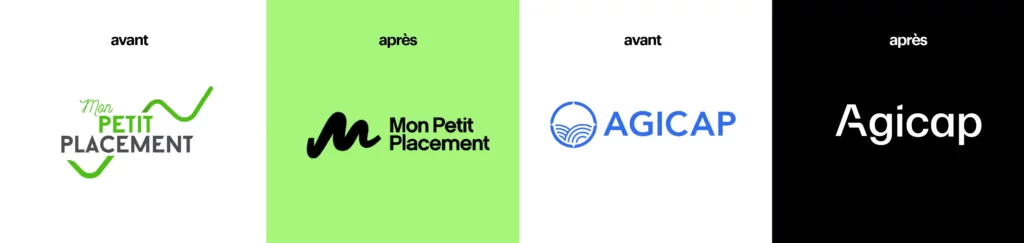
At Mon Petit Placement, the idea of rebranding arose when the tone of the brand no longer reflected the company's maturity, nor the level of demand expected in the financial sector. The same was true of Agicap, where strong growth had led to a change in the target clientele, without any corresponding change in identity.
Clarify your vision before changing your image
Before even thinking about logo or color, you need to lay the strategic foundations: mission, vision, values and differentiation.
Thomas Perret recounts how they provided their agency with a brand strategy that was "not well enough worked out", leading to a floating phase. They then surveyed 15,000 users to identify what the brand really stood for. The result: a new direction refocused on the democratization of investment, simple and accessible.
Choose the right partners and accept iteration
Calling on an agency isn't just a question of design: it's also a question of bringing in an outside viewpoint and strategic expertise.
Agicap, with its in-house studio, nevertheless chose to work with an agency to challenge its vision. Mon Petit Placement, for its part, experienced the difficulty of working with an agency without a solid strategic brief.
Good rebranding takes time and requires ongoing dialogue between internal and external collaborators.
Involving teams without drowning in opinions
Is it necessary to co-construct rebranding with the entire company? Yes, but with method.
Both speakers agree: too many opinions kill direction. The aim is not to please everyone, but to build a coherent brand, driven by a strong conviction.
Involve teams in the buy-in, not the design.
Measuring impact over time
Rebranding doesn't offer an immediate ROI; it's a long-term investment.
At Mon Petit Placement, it helped improve the site's conversion rate and re-launch partnerships thanks to the "novelty" effect. At Agicap, above all, it brought coherence, credibility and internal alignment, essential to support future growth.
More than a marketing coup, rebranding creates "fertile ground" for business, brand awareness and corporate culture, concludes Frédéric Bernard.
Conclusion
Rebranding is much more than changing your logo: it's reaffirming who you are and where you want to go. It's a strategic, unifying act that requires time, distance and conviction.
As Thomas Perret sums up: "Rebranding is about creating a new playground, a new lease of life for the company."
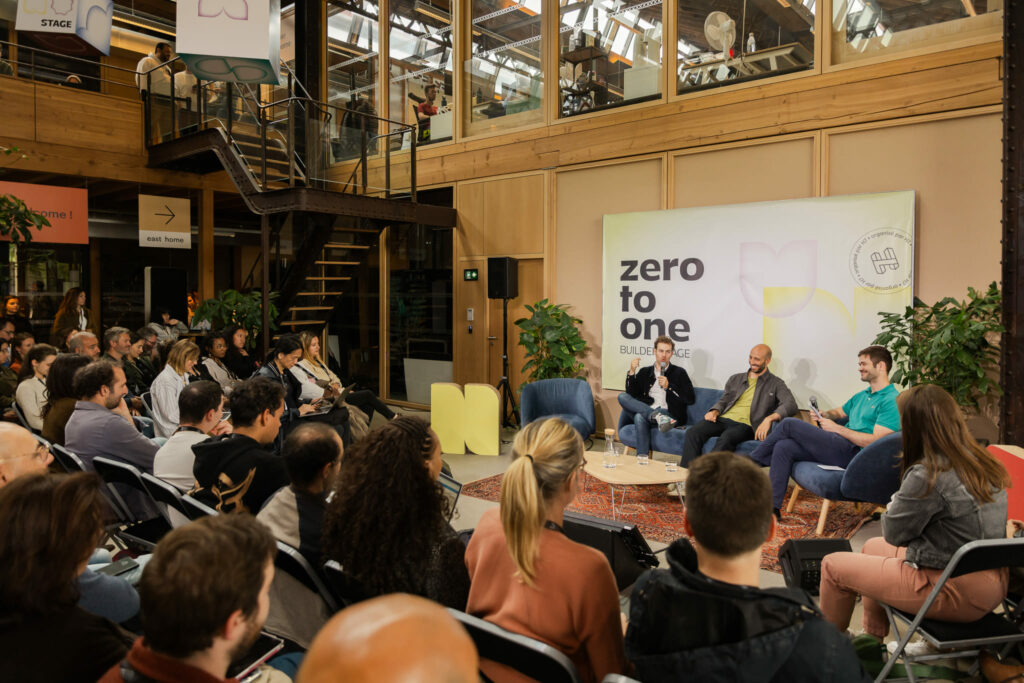
Want to find out more? Discover all the advice from Frédéric Bernard and Thomas Perret in the new episode of the zero to one podcast.
In this episode, they look back at :
- Why timing is everything when it comes to rebranding
- How to align brand identity and growth ambitions
- How rebranding can become a real long-term business lever

Selena Miniscalco
Communications Manager