Discover Animaj co-founder Sixte de Vauplane's four tips for entrepreneurship in an AI-transforming industry: animation.
In the world of entertainment, creating a player capable of competing with the historical giants while incorporating the latest technological innovations is quite a challenge. Yet this is the gamble taken by Sixte de Vauplane, founder of Animaj, an animation studio that places artificial intelligence at the heart of its strategy.
On the occasion of his move to zero to one, he shares four concrete tips for entrepreneurs who want to innovate in fast-changing sectors, while building a company with lasting relevance.
1. Create a company that makes sense for you
After selling his first company, Nestor, Sixte de Vauplane chose a new entrepreneurial project directly linked to his children. He wanted to create content that they could understand, appreciate and bond with.
"When you start a company, you put your guts into it. You absolutely have to be passionate about it for the next five, ten, fifteen, twenty years," explains the co-founder.
To last in entrepreneurship, he recommends building a business aligned with one's deepest convictions and personal motivations.
2. Put AI to work for creatives, not the other way around
Animaj uses artificial intelligence tools to automate part of the cartoon production process, without eliminating human intervention at key stages.
"We have human at the beginning, we have human at the end. That's what allows us to guarantee creative vision and quality standards."
The main lesson: use technology as a lever, without compromising the quality or artistic value of the product.
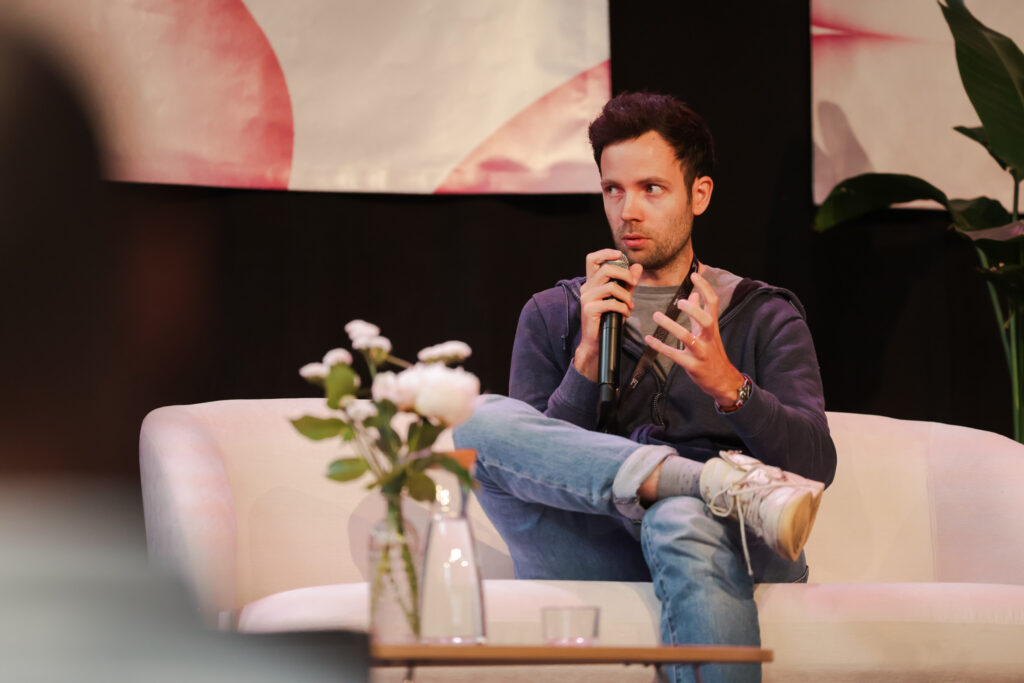
3. Think "audience first" and distribute where people are
While many studios continue to produce primarily for television, Animaj has chosen to design its content primarily for YouTube, the dominant platform for children aged 3 to 11.
"YouTube has become the new TV. If no one watches your cartoons, there's no point in producing them."
Understanding new consumer behaviors enables us to build a more effective distribution strategy, in line with contemporary usage.
4. Enhancing local cultural specificities
In an industry traditionally dominated by North American franchises, Animaj is adopting the opposite strategy: investing in strong cultural brands locally, and developing them internationally.
"A child in Brazil doesn't want to see the same content as a child in Korea."
The world has never been so globalized, but the "one size fits all" approach no longer works. The future belongs to multi-local brands.
Want to find out more? Discover all Sixte de Vauplane's advice, in podcast form, on Spotify, Deezer and Apple Podcast.
In the new episode of the zero to one podcast, Sixte de Vauplane - co-founder of Animaj - talks about :
- Revolutionizing animation with artificial intelligence, without sacrificing creativity
- Building a "YouTube-first" model adapted to children's real-life uses
- Creating a new generation of children's franchises
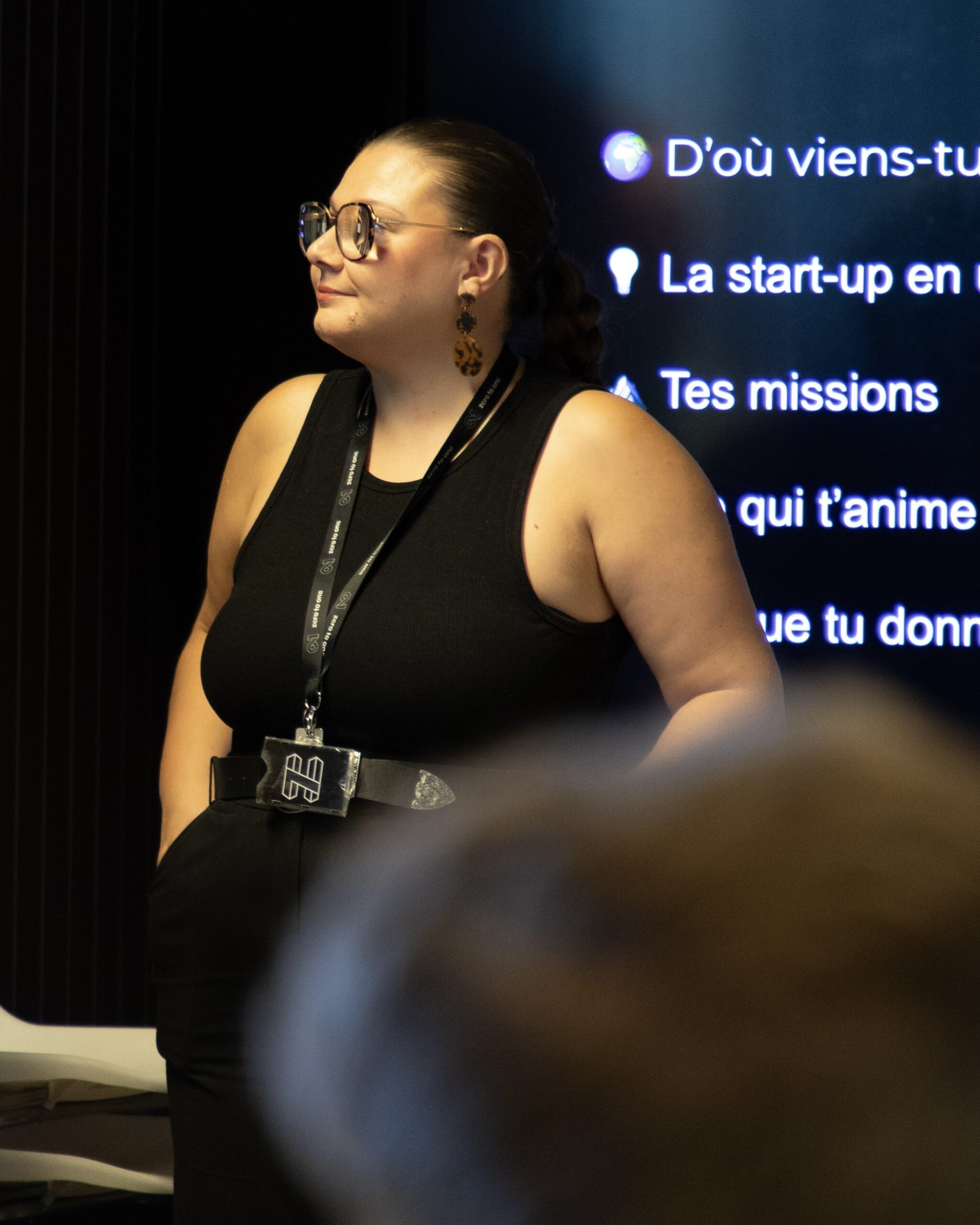
Selena Miniscalco
Communications Manager